


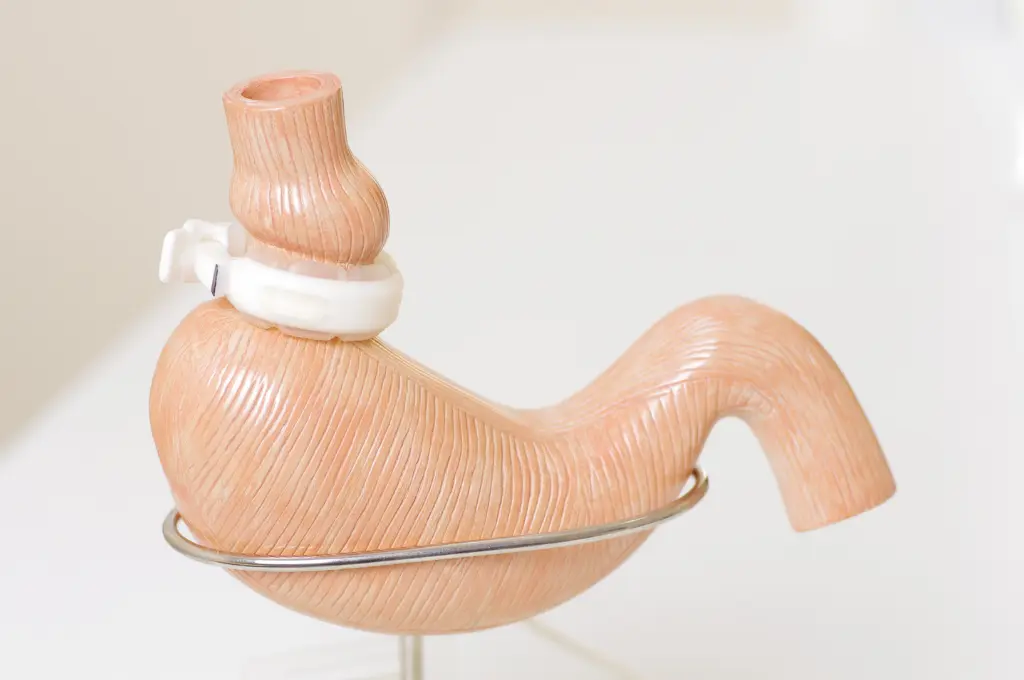
Highlighting bariatric surgery
OP. DR. YUNUS DOĞAN
Time to roll up your sleeves
We know you just started reading this, but stop for a second and look up from your phone or computer. Glance around the room. If you can see eight people, at least one of you is obese. As of 2022, over one billion people were clinically diagnosed with obesity. Many of us admit when we’re carting around a couple extra pounds/kilograms, but when does being overweight spill over into obesity?When diagnosing patients with obesity, doctors look at their BMI (Body Mass Index,) which is a measure of weight and height ratio. To better understand your BMI and how to manage it, read our article. In short, you are overweight if your BMI is over 25. If your BMI is over 30, you are obese. It’s up to you if you let these numbers define you and affect your quality of life. You can sit and watch life pass you by or you can stand up for yourself and take action. Bariatric action. Bari-action!
This article is the twenty-third in a series highlighting some of the most popular plastic surgery procedures. In the Highlighting series, we tell you ALL the alternative names of the surgery so you learn the medical terminology as well as develop a little street cred with slang terms. We share a little history of the procedure and describe the general process. We mention possible complications and give you an idea of the typical recovery time.
Also known as/similar or related names are: Duodenal switch, gastric balloon, gastric bypass, gastric sleeve, jejunoileal bypass (JIB,) lap band.
First recorded
According to the National Library of Medicine, there are reliable historical reports dating all the way back to 10th century Spain, where King Sancho I of Leon struggled through his life, unable to walk, ride a horse, pick up a sword or do any other manly and king-ish tasks.AKA Sancho the Fat, the King enlisted the help of famous Jewish doctor Hasdai Ibn Shaprut. Dr. Shaprut sewed the king’s lips shut so he could only be fed with a straw. His diet included teriaca, a mixture of several herbs and opium to stimulate weight loss. Before too long, the King became half the man he used to be and lived happily ever after. If you want your happily ever after without having your lips sewn shut, do your research before choosing your surgeon.
The very first recognizable surgical procedure designed specifically for weight loss was performed in the 1950s at the University of Minnesota, USA. The JIB (or jejunoileal bypass) funneled ingested food immediately past most of the intestines and kept the stomach intact; it was successful in assisting with weight loss but patients suffered dangerous complications.
Patients endured vitamin deficiencies, night blindness, toxic overgrowth of bacteria in the lonely, bypassed intestine - that eventually caused liver failure, severe arthritis, skin problems and flu-like symptoms - and a majority of JIB patients would require a reversal of the procedure. This one isn’t even currently a recommended bariatric procedure because the cons out-WEIGHED the pros.
Dr. Edward E. Mason and Dr. Chikashi Ito developed gastric bypass in the 1960s. Throughout its development, gastric bypass underwent several revisions and versions. Check out this article from the American Society for Metabolic and Bariatric Surgery for more details about the evolution of the procedure.
General process
There are several variations on technique, but general bariatric surgery can be divided into three types:- Gastric balloon
- Gastric bypass
- Gastric sleeve
Gastric balloon
A deflated balloon is inserted into the stomach through the mouth via an endoscope. When it’s properly located, it’s inflated with saline solution to take up space in the stomach so you feel full. Does this count as being properly hydrated?!Gastric bypass
Your surgeon cuts across the top of your stomach, sealing it off and making a new stomach similar to the proportions of a walnut. Your new nut-sized stomach will hold about 3 ounces/85 grams of food. An unaltered stomach can hold 3 pints/1420 grams.Gastric sleeve
Your surgeon will remove about 80% of your original stomach, shaping the remainder into a sleeve-shaped, tube-like pouch. This smaller stomach will limit the production of the hormone ghrelin, which makes you feel hungry.What could go wrong?
Complications that may occur include:- Nausea and vomiting, when severe and accompanied by diarrhea or feeling faint, could be a sign of dumping syndrome. This syndrome is usually caused by eating foods high in sugar after your surgery. Avoid excessive amounts of these foods.
- The narrowing of a passage in your digestive system (stricture,) caused by an adhesion (scar tissue) or inflammation. Contact your surgeon if you have difficulty eating or feel pain in your abdomen.
- Bowel obstruction, which can be caused by an adhesion or an internal hernia, occurs in about 1% of bariatric patients. Similar to other complications, a bowel obstruction can cause abdominal cramping and the inability to pass stool or gas.
What could go right?
Get out of bed and off that couch as soon as you can and celebrate that you CAN! And enjoy:- Walking and improved mobility without losing your breath as often as you used to.
- Watching the number on the scale decrease just as your appetite does.
- Feeling more energetic and enthusiastic about… EVERYTHING!
Recovery time
Expect to be in the hospital for 1-2 days if you’ve had a minimally invasive procedure. During that time, you may experience normal inconveniences that include nausea, vomiting, difficulty sleeping, flatulence and gas pain, weakness and/or lightheadedness.Your surgeon will provide specific after care instructions but you can follow a little of our advice for plastic surgery patients to recover.
The last stitch
American novelist Brad Meltzer once said “everyone you meet is fighting a battle you know nothing about” and suggested we all be kind to each other. Some of our trials are unseen and some are physically obvious to everyone. Struggling with weight is common and can develop from a molehill into a mountain.Bariatric surgery can be a powerful weapon to fight the battle of obesity.
Reservation
Write To Us, We Will Reply
Contact
You Can Contact Us


